10 Common Myths About Mountain Pine Beetles
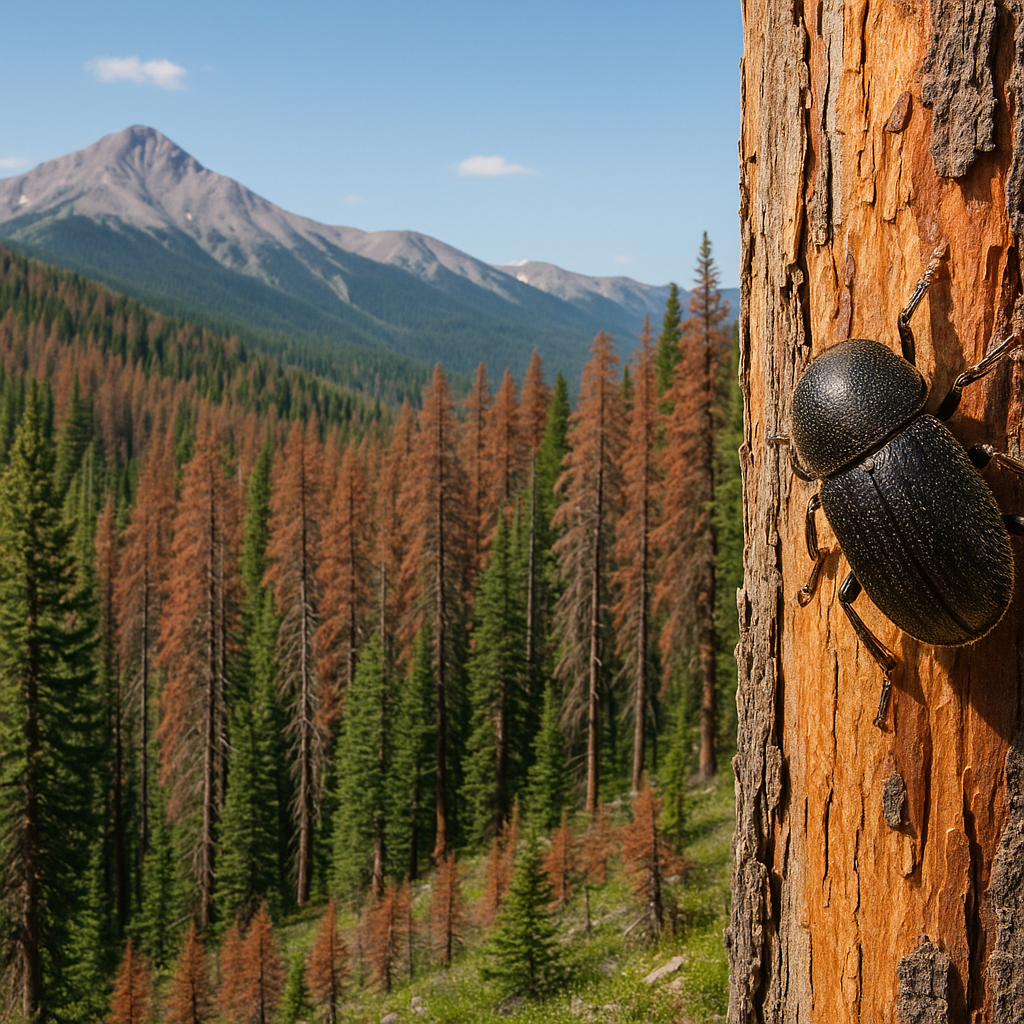
If you live in Colorado, you've probably heard of the Mountain Pine Beetle (MPB). These tiny beetles have killed millions of pine trees across the state, yet there are still so many misconceptions about how they spread and how you can protect your pine trees. Mountain Pine Beetles usually start flying in Colorado from late July through August, so acting in the spring and even now is crucial to protect your healthy pine trees.
If you believe in any of these myths, you might overlook effective ways to protect your trees. Knowing the facts can help you make an informed decision and take the proper steps to protect your pine trees.
Myth #1: Mountain Pine Beetles Only Attack Dead Trees
Fact: Mountain Pine Beetles prefer healthy, living pine trees. Even vigorous, healthy trees can be attacked during high beetle populations, encouraging homeowners to stay vigilant.
Myth #2: Once My Tree Is Brown, It Can Be Treated
Fact: Unfortunately, no. By the time pine needles turn red or brown, the beetles have already completed their life cycle beneath the bark, and the tree is dead. Preventive treatment must be applied before beetles attack.
Myth #3: Healthy Trees Don't Get Mountain Pine Beetles
Fact: While healthy trees are better equipped to defend themselves, they are not immune. During years of high beetle populations, even vigorous trees can become infested.
Myth #4: Cold Winters Eliminate Mountain Pine Beetles
Fact: Although prolonged periods of extreme cold can reduce beetle populations, Colorado winters are not always cold enough to kill them in large numbers. Beetles continue to survive and spread throughout many parts of the state.
Myth #5: If One Pine Tree Is Infested, My Other Trees Are Safe
Fact: Mountain Pine Beetles produce pheromones that attract more beetles to the area. If one tree becomes infested, any nearby pine trees face a much higher risk of attack.
Myth #6: Cutting Down an Infested Tree Stops the Problem
Fact: Removing an infested tree is important because it eliminates a breeding site, but it doesn't protect nearby healthy trees. Preventive treatments are still necessary to reduce the risk of future infestations.
Myth #7: Mountain Pine Beetles Only Live in Forests
Fact: MPB doesn't care whether your tree is in the mountains or your front yard. Residential landscapes, parks, golf courses, and commercial properties can all be affected if susceptible pine species are present.
Myth #8: You Can Store Infested Firewood Until Winter
Fact: Infested firewood can still allow beetles to emerge and spread if stored improperly. Prompt disposal or proper handling is essential to help prevent new infestations. Recycling the infested wood and having it chipped down is a way to help prevent further infestations.
Myth #9: Every Pine Species Is Equally at Risk
Fact: Mountain Pine Beetles primarily attack species such as lodgepole, ponderosa, limber, Scotch, Austrian, and ponderosa pines. Susceptibility varies by species, but all vulnerable pines should still be monitored.
Myth #10: Prevention Isn't Worth It
Fact: Preventive treatments are the most effective way to protect healthy pine trees and can save you money by avoiding a costly tree removal later down the road.
If you suspect a tree is already infested, act quickly. Early identification helps prevent further spread and keeps your healthy pines safe.
At Root Tree Service, our ISA Certified Arborists can inspect your trees, identify signs of Mountain Pine Beetle activity, and recommend the best course of action to protect your pine trees.
Healthy trees are worth protecting, but timing is everything. Contact Root Tree Service today to schedule your Mountain Pine Beetle inspection before the next generation of beetles finds your trees. The best advice that Root Tree Service can offer is to protect your pines before it's too late.
You can contact Root Tree Service via our website or at 720.369.2963 to schedule a MPB inspection, treatment or with any questions!
Go Back If you believe in any of these myths, you might overlook effective ways to protect your trees. Knowing the facts can help you make an informed decision and take the proper steps to protect your pine trees.
Myth #1: Mountain Pine Beetles Only Attack Dead Trees
Fact: Mountain Pine Beetles prefer healthy, living pine trees. Even vigorous, healthy trees can be attacked during high beetle populations, encouraging homeowners to stay vigilant.
Myth #2: Once My Tree Is Brown, It Can Be Treated
Fact: Unfortunately, no. By the time pine needles turn red or brown, the beetles have already completed their life cycle beneath the bark, and the tree is dead. Preventive treatment must be applied before beetles attack.
Myth #3: Healthy Trees Don't Get Mountain Pine Beetles
Fact: While healthy trees are better equipped to defend themselves, they are not immune. During years of high beetle populations, even vigorous trees can become infested.
Myth #4: Cold Winters Eliminate Mountain Pine Beetles
Fact: Although prolonged periods of extreme cold can reduce beetle populations, Colorado winters are not always cold enough to kill them in large numbers. Beetles continue to survive and spread throughout many parts of the state.
Myth #5: If One Pine Tree Is Infested, My Other Trees Are Safe
Fact: Mountain Pine Beetles produce pheromones that attract more beetles to the area. If one tree becomes infested, any nearby pine trees face a much higher risk of attack.
Myth #6: Cutting Down an Infested Tree Stops the Problem
Fact: Removing an infested tree is important because it eliminates a breeding site, but it doesn't protect nearby healthy trees. Preventive treatments are still necessary to reduce the risk of future infestations.
Myth #7: Mountain Pine Beetles Only Live in Forests
Fact: MPB doesn't care whether your tree is in the mountains or your front yard. Residential landscapes, parks, golf courses, and commercial properties can all be affected if susceptible pine species are present.
Myth #8: You Can Store Infested Firewood Until Winter
Fact: Infested firewood can still allow beetles to emerge and spread if stored improperly. Prompt disposal or proper handling is essential to help prevent new infestations. Recycling the infested wood and having it chipped down is a way to help prevent further infestations.
Myth #9: Every Pine Species Is Equally at Risk
Fact: Mountain Pine Beetles primarily attack species such as lodgepole, ponderosa, limber, Scotch, Austrian, and ponderosa pines. Susceptibility varies by species, but all vulnerable pines should still be monitored.
Myth #10: Prevention Isn't Worth It
Fact: Preventive treatments are the most effective way to protect healthy pine trees and can save you money by avoiding a costly tree removal later down the road.
If you suspect a tree is already infested, act quickly. Early identification helps prevent further spread and keeps your healthy pines safe.
At Root Tree Service, our ISA Certified Arborists can inspect your trees, identify signs of Mountain Pine Beetle activity, and recommend the best course of action to protect your pine trees.
Healthy trees are worth protecting, but timing is everything. Contact Root Tree Service today to schedule your Mountain Pine Beetle inspection before the next generation of beetles finds your trees. The best advice that Root Tree Service can offer is to protect your pines before it's too late.
You can contact Root Tree Service via our website or at 720.369.2963 to schedule a MPB inspection, treatment or with any questions!